

Imagine a fire starting in a building. Without strong barriers, fire and smoke can spread fast. This can endanger people inside. A fire door is very important in this case. It stops fire and smoke from moving to other places. This gives everyone more time to leave safely. Fire doors also protect belongings and lower damage. They help save lives and reduce harm, making them key for building safety plans.
Key Takeaways
- Fire doors are important for slowing fire and smoke. They give people extra time to escape safely.
- Checking fire doors often is very important. It helps find damage and makes sure they work in emergencies.
- Always keep fire doors shut and free of clutter. Open doors cannot block fire or smoke.
- Approved fire doors follow strict safety rules. Check for labels that show their fire ratings.
- Building owners must take care of fire doors. This follows safety laws and keeps people safe.
Primary Functions of Fire Doors
Containing Fire Spread
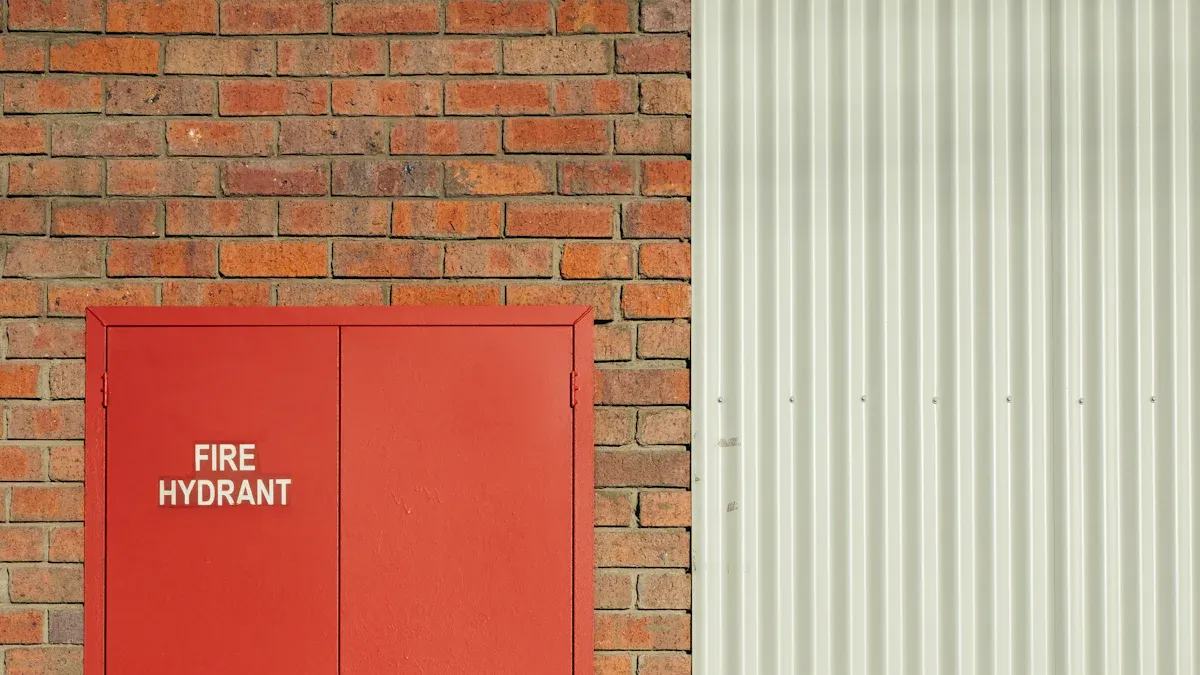
A fire door helps stop fire from spreading. It blocks flames in one area. This slows the fire down and gives firefighters more time. It also reduces damage to the building.
Did you know? In 2021, there were 125,500 fires in non-residential buildings. Only 3% of these fires caused deaths because of safety tools like fire doors. For apartments, 81,500 fires happened, but only 7% led to deaths. These facts show how fire doors save lives.
When fire doors are not cared for, bad things can happen. In 2016, a London apartment fire killed six people due to broken fire doors. In 2009, a care home fire in County Durham caused four deaths because fire doors were left open. These examples show why keeping fire doors in good shape is important.
| Year | Incident Description | Outcome |
| 2016 | Fire in London flats due to broken fire doors | 6 deaths |
| 2009 | Care home fire in County Durham with open fire doors | 4 deaths |
| 2010 | High-rise fire in Shanghai with open fire doors | 58 deaths |
| N/A | Grenfell Tower fire showing bad fire door use | Fatal outcomes and community harm |
Preventing Smoke Spread
Smoke can be more harmful than fire. It spreads fast and makes it hard to see. A fire door stops smoke from moving to other areas. This keeps people safe from breathing toxic air and helps them escape.
When smoke is controlled, rescuers can work better. They can move through the building without too much smoke. This helps them save people and fight the fire.
Ensuring Safe Evacuation
During a fire, every second matters. A fire door gives extra time to escape. It holds back fire and smoke, making exits safer. This is very helpful in busy places like schools or apartments.
Fire doors also protect people who need more time to leave. This includes kids, older adults, or those with disabilities. A fire door helps them get to safety.
Tip: Always keep fire doors closed and clear. If left open, they cannot protect people in the building.
Features That Make Fire Doors Effective
Fire-Rated Materials
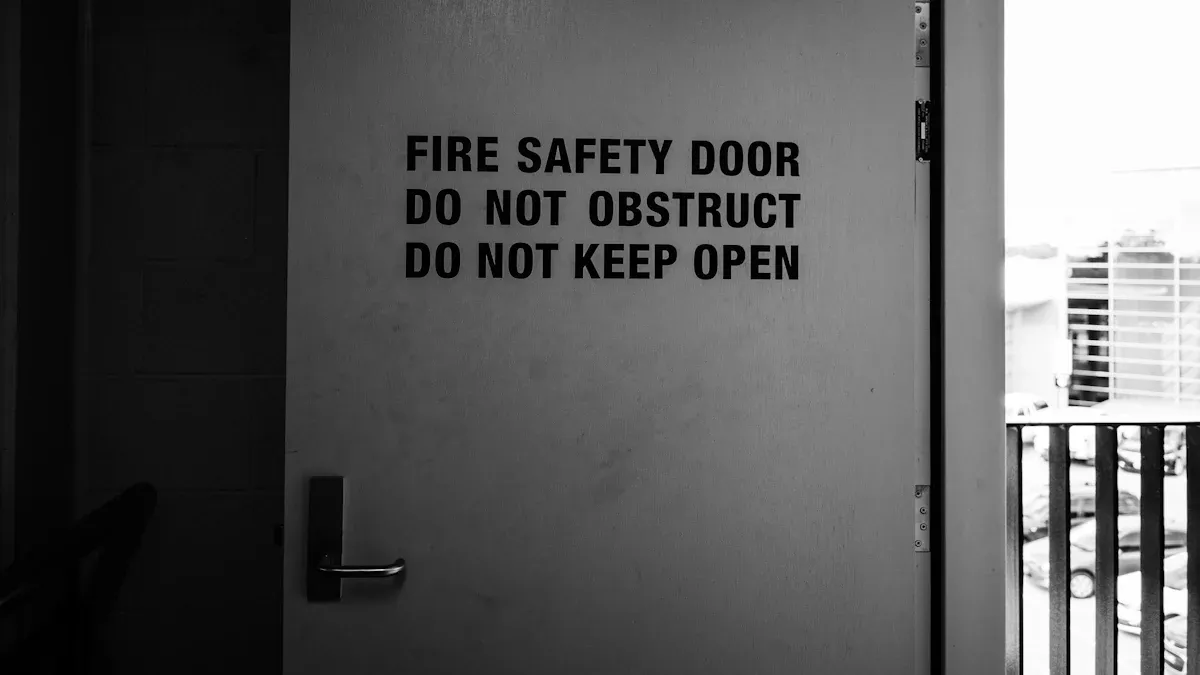
The materials in a fire door decide how well it blocks fire. Strong materials like steel, gypsum, and treated wood can handle high heat. These materials slow fire spread and give people more time to escape.
New designs, like high insulation fire doors (HIFDs), use vacuum insulation panels (VIPs). VIPs are better at stopping heat than older materials like foam. They block heat using thinner layers and save energy by up to 50%.
Note: Always check the materials of a fire door. Make sure they match your building’s safety needs.
Self-Closing Mechanisms
A fire door works best when it stays shut during a fire. Self-closing parts make sure the door closes on its own after being opened. This keeps fire and smoke from spreading.
These parts work even if you forget to close the door. They stop gaps that could let fire or smoke through. Regular checks are needed to keep these parts working well.
| Feature | Purpose |
| Self-Closing Mechanisms | Shut doors automatically to block fire and smoke. |
| Positive Latching | Keep doors tightly closed to stop smoke and heat leaks. |
| Smoke Seals | Block smoke from passing through door gaps. |
| Intumescent Seals | Expand with heat to stop fire and smoke, improving safety. |
Tip: Never leave a self-closing fire door open. It won’t protect you if it’s propped open.
Certification and Fire Labels
Certified fire doors follow strict rules to ensure safety. Groups like NFPA and UL test them under tough conditions. Certified doors have labels showing their fire rating, measured in minutes or hours.
| Standard/Code | What It Covers |
| NFPA 80 | Legal rules for fire doors. |
| IBC | Extra rules from the International Building Code. |
| NFPA 101 | Life Safety Code with fire door guidelines. |
| UL 10C | Tests fire endurance and water spray resistance. |
| NFPA 252 | Testing methods for fire doors and their parts. |
Labels confirm the door, frame, and seals were tested together. When buying a fire door, look for labels like UL 10C or NFPA 252.
Reminder: A fire door without certification may not protect you in an emergency.
Importance of Fire Door Inspections
Checking fire doors often is very important for safety. It ensures these doors work well during emergencies. Skipping inspections can cause big problems, like doors failing in a fire. Let’s see why these checks matter.
Finding Damage or Problems
Fire doors can get damaged over time. This happens from frequent use, rough handling, or weather. Inspections help find issues like wide gaps, broken seals, or bad closers. These small problems can make the door less effective against fire and smoke.
In the UK, 75% of inspected fire doors failed safety rules. Common issues were wide gaps (77%), poor upkeep (54%), and bad installation (31%). Regular checks fix these problems early, stopping bigger risks later.
Tip: Look for cracks or misaligned frames during checks. Fixing them early can save lives.
Following Safety Rules
Inspecting fire doors isn’t just smart; it’s the law in many places. Rules like NFPA 80 require checks when installed, yearly, and after repairs. Following these rules keeps your building safe and avoids fines.
Officials now demand more fire door inspections. This shows how important they are for safety. Regular checks also spot dangers, like flammable items near doors, that increase fire risks.
Reminder: Keep records of all checks and repairs. This proves you follow safety rules.
Getting Expert Help
Simple checks find obvious problems, but experts ensure fire doors meet all rules. They test seals, closers, and latches to confirm they work. Experts also fix hidden issues that others might miss.
Professional checks make sure safety tools, like fire doors, work well. Experts often find hidden dangers, like bad wiring or blocked exits, during inspections. Hiring professionals improves your fire safety systems.
Note: Have experts inspect your fire doors yearly to keep them effective.
Fire Doors in a Fire Safety Plan
Working with Fire Safety Systems
A fire safety plan works when all parts work together. Fire doors are a big part of this system. They team up with alarms, sprinklers, and smoke detectors. When a fire starts, fire doors block flames and smoke. Alarms warn people to leave, and sprinklers help stop the fire.
Buildings often use fire-resistant materials for extra safety. This includes fire doors, walls, and ceilings that slow fires. Building rules require fire doors to meet safety standards. These rules make sure fire doors work well in emergencies.
| Element | Description |
| Fire-resistant construction | Uses fire doors, walls, and ceilings to slow fire spread. |
| Building Codes | Rules that require fire doors and materials to stop fires. |
Teaching People About Fire Safety
Even the best tools need people to use them right. Everyone should know how fire doors work and why they matter. For example, keeping them closed is very important. If left open, fire and smoke can spread fast.
Building managers can hold fire drills to teach safety steps. These drills show how to leave safely and use fire exits. Clear signs near fire doors also help people understand their purpose. When everyone knows what to do, the building stays safer.
Tip: Check that fire doors are not blocked or broken. This small action can save lives in an emergency.
Building Owners’ Legal Duties
Building owners must take care of fire doors by law. Ignoring safety rules can lead to fines or legal trouble. If a fire causes harm, owners might face lawsuits. Insurance claims and building approvals could also be at risk.
Regular checks and repairs help meet these legal duties. Keeping records shows you follow safety laws. By focusing on fire doors, you protect lives and avoid problems.
Reminder: Following fire door rules keeps your building safe and lowers legal risks.
Fire doors are very important for keeping buildings safe. They stop fire and smoke from spreading, which saves lives and protects property. To work well, they must be installed and cared for properly. If they are not maintained or are changed without approval, they might fail during a fire.
| Problem Found | What Happens |
| Poor care of fire doors | Makes them less effective, raising fire risks |
| Unapproved changes to fire doors | Weakens their ability to block fire and smoke |
| Fire doors not closing properly | Puts people and property in more danger. |
More industries now need fireproof doors, showing how vital they are. Companies keep improving designs to meet safety rules. Events like the Great Fire of London remind us why fire barriers are so important for saving lives and property.
Tip: If you own a building, it’s your duty to keep fire doors safe and working well.
FAQ
1. How do you know if a fire door is certified?
Check for a label or mark on the door. These labels show fire ratings, testing rules, and approval codes like UL or NFPA. They prove the door meets safety standards.
Yes, you can paint it, but don’t cover labels or seals. Use paint that resists fire to keep its safety features. Always ask an expert before making changes.
3. Why shouldn’t you prop open a fire door?
Propping it open stops it from working right. Fire and smoke can move fast through open doors, risking lives and property. Keep fire doors shut.
4. How often should fire doors be checked?
Check them once a year or more. Look for damage, gaps, or broken parts. Regular checks make sure they work well in emergencies.
5. Do all buildings need fire doors?
Many buildings, like schools, offices, and apartments, must have fire doors. Safety laws and building codes decide where they are required.
Tip: Check local rules to follow fire safety laws.


